
WOLF MISSION
So, what research are we conducting exactly? What financial means are being invested in our projects? What methods do we use to collect data so that you may peek into the lives of our wildlife?
Here, you’ll find more information about our work, our motivations, our accomplishments so far as well as our plans for the upcoming months and years.
OUR GODFATHER - FABIEN BRUGGMANN
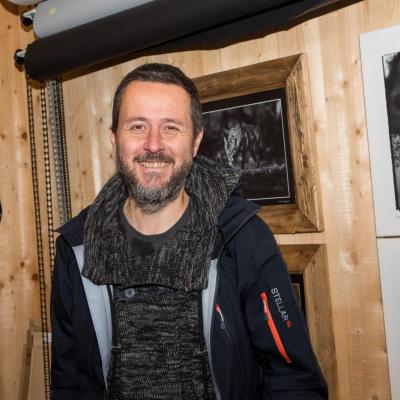
Fabien Bruggmann has been a professional photographer for over 20 years, originally from Lyon, and now based in the Haut-Jura.
Since 2009, he has been scouring the Jura mountains for the most beautiful spots, the most beautiful landscapes, unusual places, waterfalls and rivers, places where animals pass through...
Thanks to his experience, his research and his lucky breaks, he has already photographed numerous birds (black woodpeckers, starlings, finches...), foxes, badgers, wild boar, chamois, roe deer and the discreet "prince of the Jura forests" : the lynx (bobcat) !
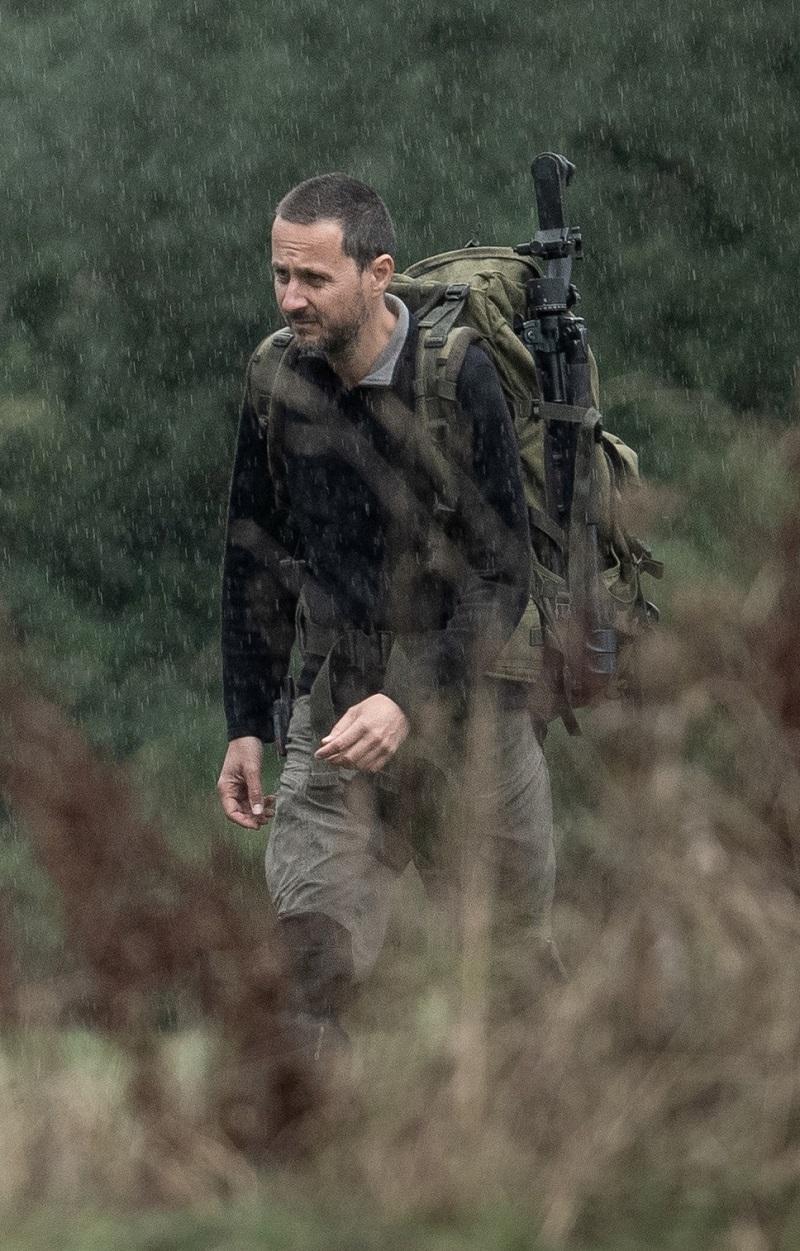
His work as a reporter/photographer has taken him to many countries: Morocco, Switzerland, Italy, Spain, Germany, Belgium, England, Scotland, Russia, Mongolia, China, Iceland, Bolivia, Canada and Alaska. He is a regular contributor to numerous nature and animal magazines : Terre Sauvage, Image & Nature, Chasseur d'Images, Photofan, Lyon'Mag, Femme Actuelle, Editions Delachaux & Niestlé, La Martinière...
In 2008, he published a book on beavers, in partnership with his colleague Bruno Fouillat. It is the fruit of 5 years of intensive work, leading to a series of underwater photos of beavers in their natural habitat.
At the end of 2012, he published a book entitled "Rencontres animales dans le massif jurassien" (Animal encounters in the Jura mountains), a photo book rich in anecdotes from the field and stories of encounters, in collaboration with Patrice Raydelet, a professional Jura photographer.
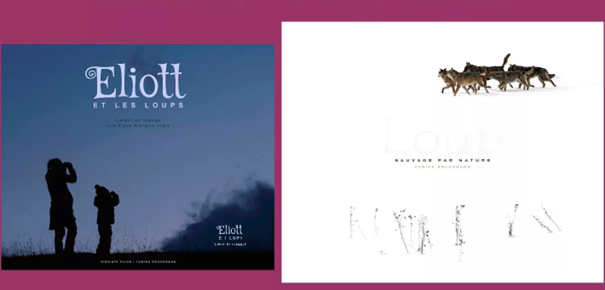
Fascinated by the wolf, he set himself a crazy challenge: to photograph the wild predator in Abruzzo. He took his family with him and spent three years observing the wolf, tracking it, observing it and photographing it, accompanied by his young son, Elliot. It was a wonderful way to pass on his knowledge and love of nature, wildlife and the predator, and to dispel long-held myths.
From this intense and magical experience came two books: "Loup, sauvage par nature" & "Elliot et les loups", as well as a DVD recounting his son's wolf-encountering adventure.
Today, Fabien follows the wolf in the Jura massif and organizes extremely respectful photographic trips to Poland and Abruzzo. With his extensive experience of the wild and the wolf, he is the perfect guide for all nature and wildlife enthusiasts. In this way, he continues his work to raise awareness and promote better coexistence between humans and wolves.
We want to thank, from the bottom of our hearts, Fabien for his contribution, his invaluable help, his good humor and his support in our adventure.
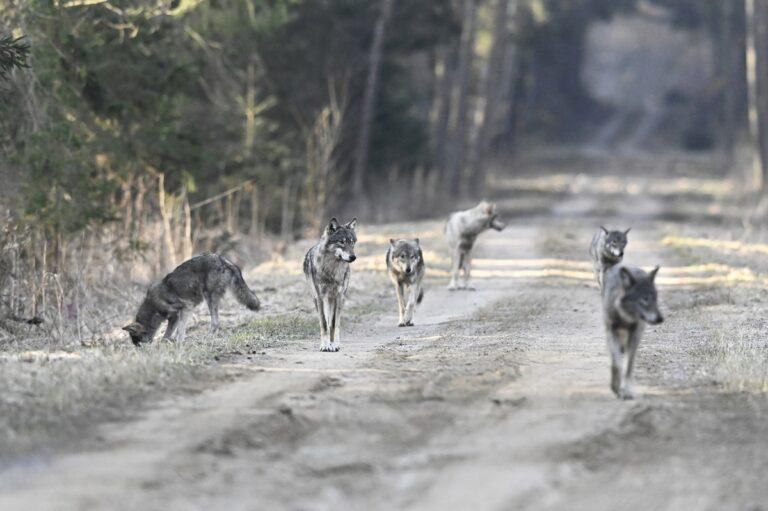
wolf pack nature wildlife project study étude indépendante loup mission
Related posts

From Monitoring to Expertise—Understand Before Regulating
We explain why counting, photographing, and identifying wolves isn’t always enough to understand how a pack functions. We discuss the various factors that can skew our understanding and, as a result, lead to decisions that aren’t necessarily suited to the reality on the ground.